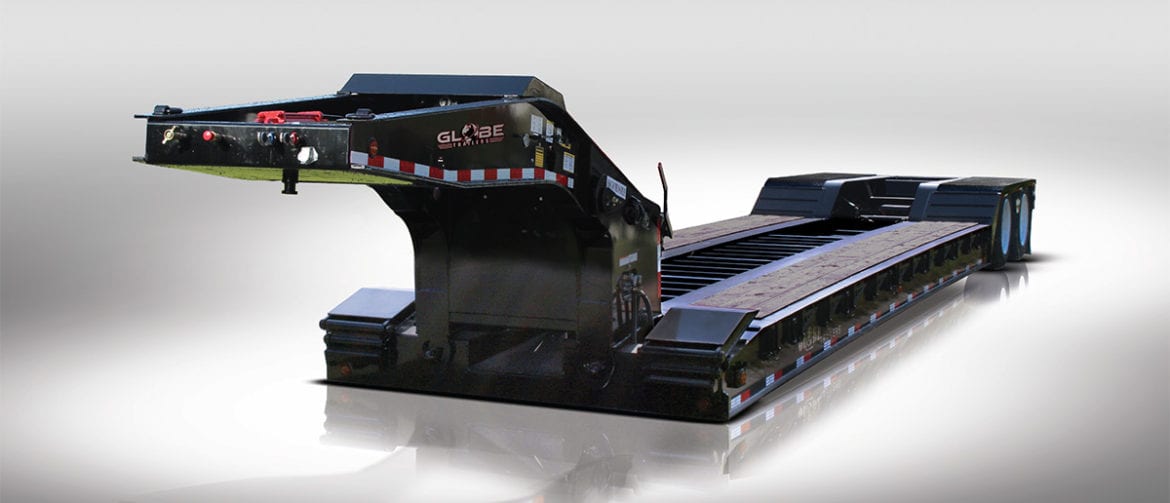
Lowboy buyer guide
Top 7 Things to Consider When Selecting a Lowboy or Heavy Haul Trailer
The right lowboy trailer is not just a capacity number. It is a combination of factors: payload, deck height, axle configuration, loading method, finish, service support, and manufacturer experience. Together, those factors keep your equipment moving safely and profitably.
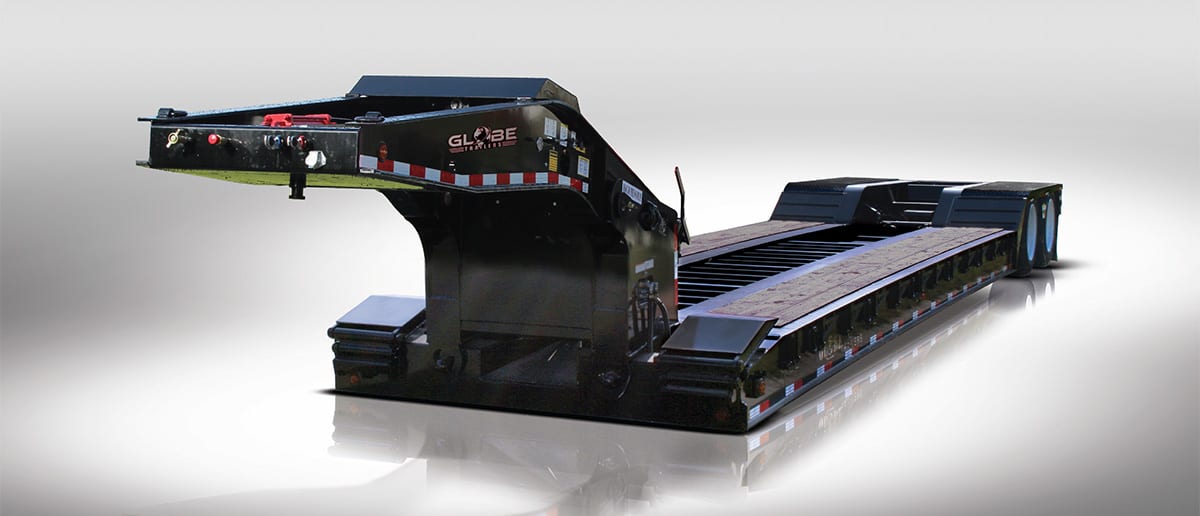
Deck height and clearance
Axle spacing and configuration
Loading and unloading method
Steel and structural design
Finish and corrosion protection
Suspension and ride quality
Manufacturer and dealer support
Start with the real load, not just the trailer rating
A 35-ton, 40-ton, 55-ton, or 60-ton trailer rating is only one part of the decision. Your legal payload depends on much more. For example, it shifts with the tractor, trailer empty weight, axle spacing, tire ratings, bridge law, permits, and the states or provinces on the route.
Before choosing a model, gather a few key details. These include the machine weight, overall dimensions, center of gravity, attachment weight, route, and delivery schedule. With that information, a dealer or Globe representative can recommend a trailer that does the work. That beats simply matching a number on a spec sheet.
Match the lowboy type to the work
Standard lowboys are a strong fit for repeated fleet use and common heavy equipment moves. Other types solve different problems, however. For example, paver specials, beavertail models, agricultural configurations, extendable RGNs, and hydraulic detachable gooseneck trailers each handle specific loading, clearance, and route needs.
Compare the equipment you move most often against the product line. Avoid buying for one unusual job. So if one machine drives most of the revenue, design around that machine first. Then verify the trailer can handle the rest of the fleet.
Check deck height, deck length, and ground clearance
Deck height affects the total loaded height and bridge clearance. It can also make permits harder to manage. Deck length, on the other hand, affects weight distribution. It also determines whether the machine can sit where it needs to over the trailer structure.
Measure the machine, not only the brochure dimensions. After all, buckets, rippers, tracks, tires, outriggers, and attachments can all change the practical load envelope.
Choose the right axle package and flip axle setup
A flip axle is a complete axle assembly. Hinge plates and pins attach it to the rear frame. You add it when axle loading requires additional spread. Then you flip it up when you need fewer axles.
One trained operator can usually handle a hydraulic flip axle. It also takes far less time than a manual flip axle. Manual systems, by contrast, may require extra labor, extra equipment, and more setup time at the yard or jobsite.
Look closely at steel, structure, and suspension
Steel quality and structural design have a direct effect on trailer life. High-strength steel, sound engineering, weld quality, and proper load paths all matter. They matter most when the trailer faces heavy loads, rough jobsites, and repeated use.
Air ride suspension can help protect the trailer and cargo. To do so, it must match the application correctly. So ask about suspension capacity, ride height adjustment, and axle spacing. Also ask how the suspension choice affects the work you do most often.
Do not treat finish as cosmetic only
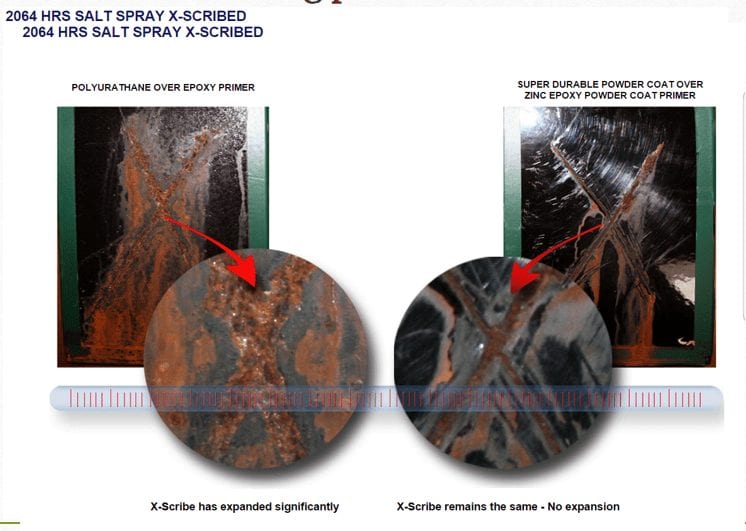
Finish quality affects corrosion resistance, appearance, resale value, and long-term maintenance. Powder coating, for example, provides a tough, consistent finish. It also avoids the sags, drips, and runs that can occur with liquid paint.
Some fleets work in coastal areas, demolition, construction, agriculture, or harsh weather. For them, finish protection should be part of the buying decision. It should never be an afterthought.
Evaluate the manufacturer and support network
A heavy haul trailer is a long-term production tool. So look for a manufacturer with proven engineering and experienced welders. You also want practical dealer support, parts availability, and a history of building trailers for the work you actually do.
Dealers can help you compare stock units, review options, and walk through tradeoffs in person. Globe can also help identify the details needed for a quote. That way, the recommendation reflects real operating conditions, not guesswork.
What to send when requesting a quote
For the fastest recommendation, include a few specifics. List the payload weight, machine dimensions, axle needs, deck height target, state or route, delivery timeline, and preferred model. And if you have a spec sheet or machine drawing, attach it with the request.
Lowboy Trailer Buyer Questions
What size lowboy trailer do I need?
Start with the weight and dimensions of the machine you move most often. Then confirm route requirements, axle spacing, tire ratings, and permit needs. In short, the best trailer is the one that legally and reliably carries your load in your operating area.
When is a hydraulic flip axle worth it?
A hydraulic flip axle is useful when you frequently need added axle capacity. At the same time, you can shorten the trailer for lighter moves or easier positioning. Best of all, it saves time compared with manual flip axle handling.
Why does deck height matter?
Deck height affects overall loaded height, bridge clearance, permit complexity, and how safely you can load equipment. Lower is often helpful. However, you must balance it with structural needs, ground clearance, and the equipment you haul.
Should I buy from inventory or order a custom build?
Inventory is useful when timing matters and the available configuration fits the work. A custom build, on the other hand, makes sense for tighter requirements. Choose it when payload, deck length, axle package, loading angle, or special equipment needs are central to the job.
